
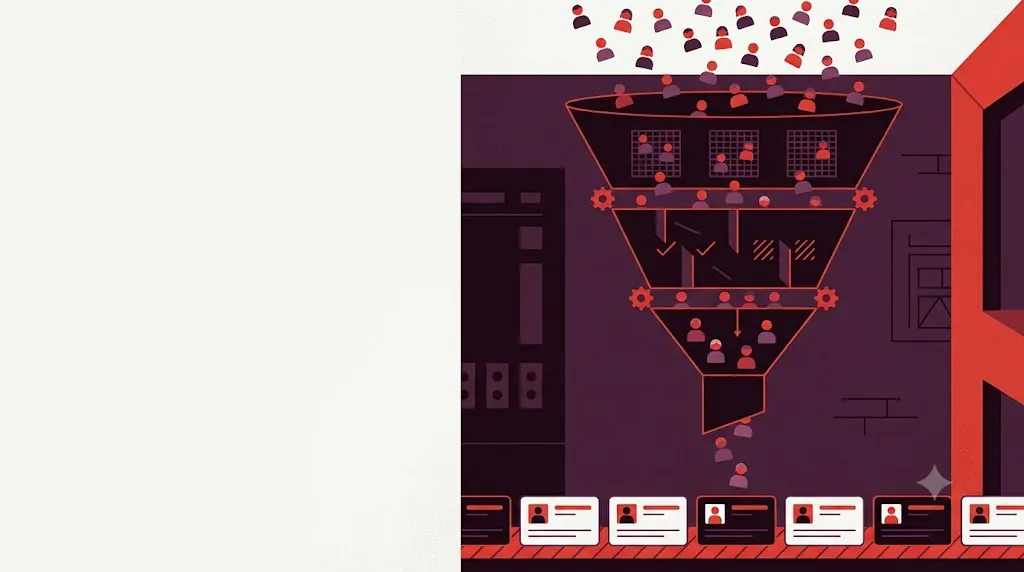
Leads rarely die because a product is wrong. They die because nobody called back, two reps called the same person, or the follow-up stopped after one try. A simple, written process fixes most of that.
Step 1: Capture every lead automatically
List every source and connect it so leads arrive without copy-paste: website forms, Meta lead ads, Google lead forms, WhatsApp chats, calls, events, and marketplaces or partners. Record the source and, for ads, the campaign — you'll need it to decide where to spend.
Leads from ads, forms and WhatsApp arrive scored and assigned. Pipelines, follow-ups and forecasts keep every deal moving.
Start free See the demoStep 2: Remove duplicates
Match on phone first, then email. A returning enquiry should update the existing lead (and alert its owner), not create a second record that another rep picks up.
Step 3: Assign in seconds
Choose a rule and automate it:
- Round-robin for equal distribution.
- By territory or language for regional teams.
- By product or deal size for specialised reps.
- Load-balanced so nobody gets buried.
Every lead needs exactly one owner and a due next step.
Step 4: Respond while interest is high
Send an instant acknowledgement on WhatsApp or email ("Thanks, Priya — Arjun from our team will call you within the hour"). Then make the human follow-up the same day. Track time to first response per rep.
Step 5: Qualify consistently
Agree on a short checklist. Many teams use a light version of BANT:
| Question | Example |
|---|---|
| Need | What problem are they solving? |
| Timeline | When do they want to start? |
| Authority | Who decides? |
| Budget | Is the budget realistic for your offer? |
Move qualified leads to a deal with value and expected close date. Close unqualified ones with a reason — those reasons tell marketing what to fix.
Step 6: Nurture the "not yet"
Not ready isn't no. Put these leads in a nurture sequence: helpful content, case examples, a check-in after a few weeks. Stop automatically when they reply. See how customer lifecycle journeys work.
Step 7: Convert and hand over cleanly
When a deal is won, create the customer, send the quote or invoice, and hand over to delivery or onboarding with full context. Nobody should ask the customer to repeat themselves.
Reports that keep the process honest
- Leads by source and cost per lead.
- Time to first response by rep.
- Stage-to-stage conversion — see sales pipeline stages explained.
- Lost reasons, grouped.
- Revenue by source (not just lead count).
MizUp CRM automates capture, de-duplication, assignment and follow-up reminders, with WhatsApp and email built into every lead.
Frequently asked questions
What is lead management?
The process of capturing enquiries, assigning them to the right person, qualifying them and following up until they buy or are closed as not a fit.
How fast should we respond to a new lead?
As fast as you realistically can — within minutes for inbound enquiries from ads or forms. Automate an instant acknowledgement and have a person follow up the same day.
What is the difference between a lead and a deal?
A lead is a person or company that showed interest. A deal is a qualified opportunity with a value and expected close date.